A well-designed deck is more than an elevated platform attached to a home—it is an extension of the surrounding landscape that brings together architecture, nature, and outdoor living. While many homeowners focus on decking materials, railing styles, or furniture placement, one of the least discussed aspects of deck construction is how effectively it integrates with existing landscape features. Mature trees, natural slopes, rock formations, gardens, retaining walls, and water elements all influence how a deck should be designed and positioned. Rather than removing these features, experienced designers often incorporate them into the project, creating outdoor spaces that feel harmonious instead of artificially imposed. This thoughtful approach results in a backyard that appears cohesive, functional, and visually balanced.
Working With the Landscape Instead of Against It
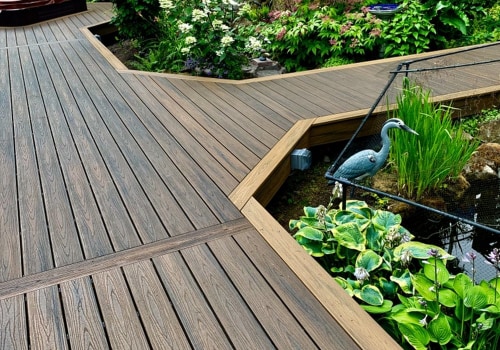
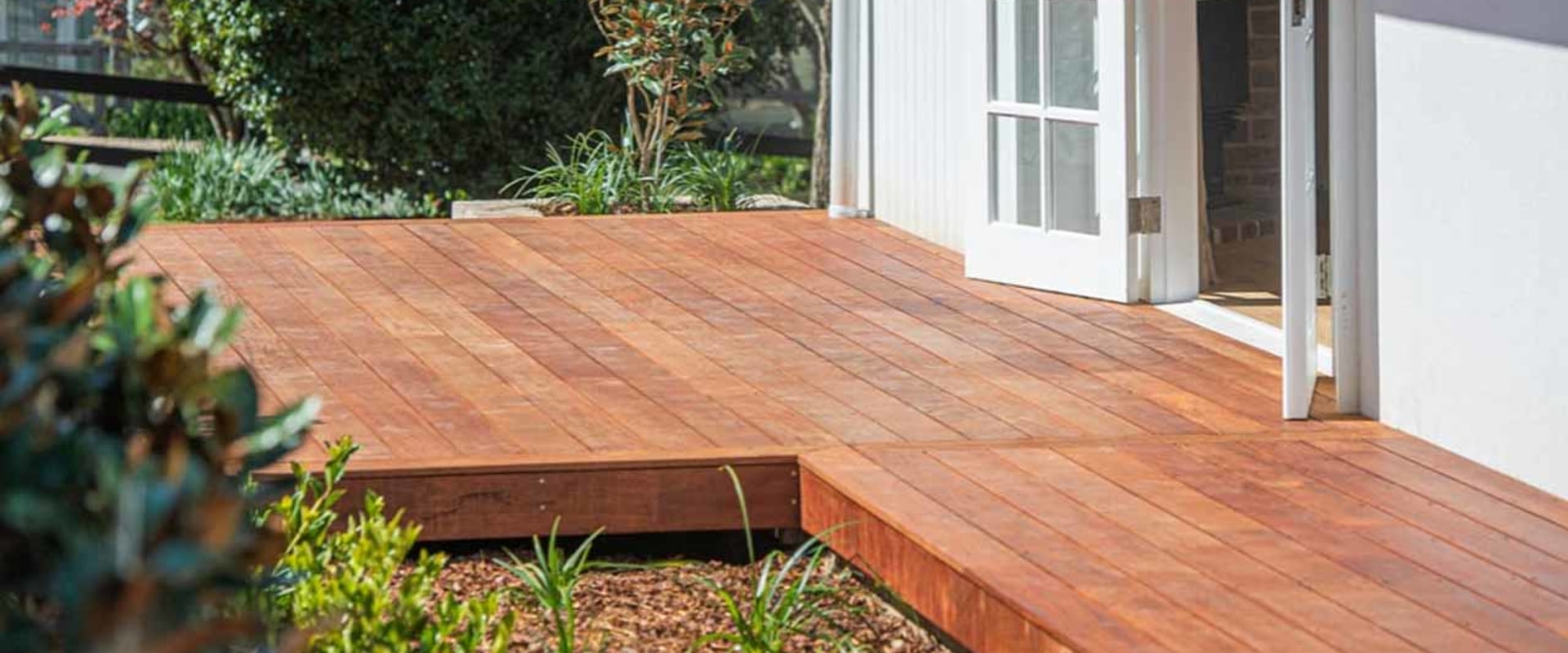
Successful deck construction begins with understanding the unique characteristics of the property. Instead of leveling every slope or clearing existing vegetation, professional builders frequently adapt their designs to complement the site's natural contours. Elevated decks can follow changes in terrain, while multi-level platforms create usable spaces without extensive excavation. Existing trees may become integrated design features, with carefully planned openings allowing trunks to pass naturally through the decking while preserving healthy root systems. Large boulders can become decorative focal points, and established gardens may frame seating areas or pathways leading to the deck. Designing with these existing elements often reduces environmental impact while enhancing the overall appearance of the outdoor living space.
Creating Cohesion Across Outdoor Living Areas
Modern outdoor design increasingly emphasizes creating a unified environment where decks, patios, pools, landscaping, and entertainment areas work together as a single outdoor destination. Material selection plays a significant role in achieving this balance. Colors, textures, and finishes that complement existing stonework, walkways, fencing, or garden structures create visual continuity throughout the property. Homeowners planning comprehensive backyard improvements sometimes research services beyond deck construction, including best pool remodeling companies in Dallas, to better understand how coordinated renovations can produce outdoor environments that feel intentionally designed rather than assembled over time. Whether or not a pool renovation is part of the immediate project, considering how future improvements may integrate with the deck helps establish a flexible long-term landscape plan.
Functionality Enhances Natural Beauty
Blending a deck with existing landscape features involves more than aesthetics; functionality is equally important. Careful placement of seating areas can maximize scenic views while providing shade beneath mature trees during warmer months. Built-in benches, planter boxes, lighting, and stairways can follow natural grades instead of interrupting them. Drainage patterns must also be considered to protect both the deck structure and surrounding landscape from water damage. Strategic lighting highlights architectural details while preserving the property's natural ambiance after sunset. By designing around existing features rather than replacing them, homeowners create outdoor environments that remain comfortable, practical, and enjoyable throughout changing seasons.
Long-Term Value Through Thoughtful Integration
The most successful deck projects are those that respect the property's existing character while enhancing its usability and visual appeal. Thoughtful integration of landscape features creates outdoor spaces that feel timeless rather than dictated by short-term design trends. Preserving mature vegetation, working with natural terrain, and planning future improvements together often increases both homeowner satisfaction and long-term property value. Rather than viewing trees, slopes, gardens, or stone features as construction obstacles, experienced builders recognize them as opportunities to create distinctive outdoor environments that cannot be replicated on every property. By blending deck construction with the natural landscape through careful planning and creative design, homeowners achieve outdoor living spaces that offer beauty, functionality, and lasting enjoyment for years to come.