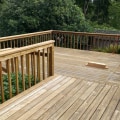
Multi-level decks have become a popular addition to modern homes because they maximize outdoor living space while creating distinct areas for dining, entertaining, relaxing, and enjoying the surrounding landscape. Unlike a traditional single-level deck, a multi-level design introduces varying elevations, connecting stairways, multiple support points, and different load conditions that require much more than an attractive layout. While homeowners often focus on materials, railings, lighting, and finishes, the success of the project depends heavily on careful structural planning. Every level of the deck must safely transfer its weight, along with the weight of people, furniture, outdoor kitchens, hot tubs, or other amenities, into a properly designed support system. Without thorough planning, structural weaknesses can develop over time, resulting in movement, uneven surfaces, or costly repairs. A well-designed deck balances aesthetics with engineering principles to create an outdoor structure that is both beautiful and dependable.
Load Distribution Is Critical to Long-Term Stability
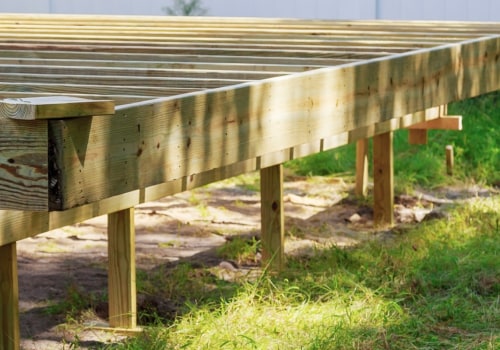
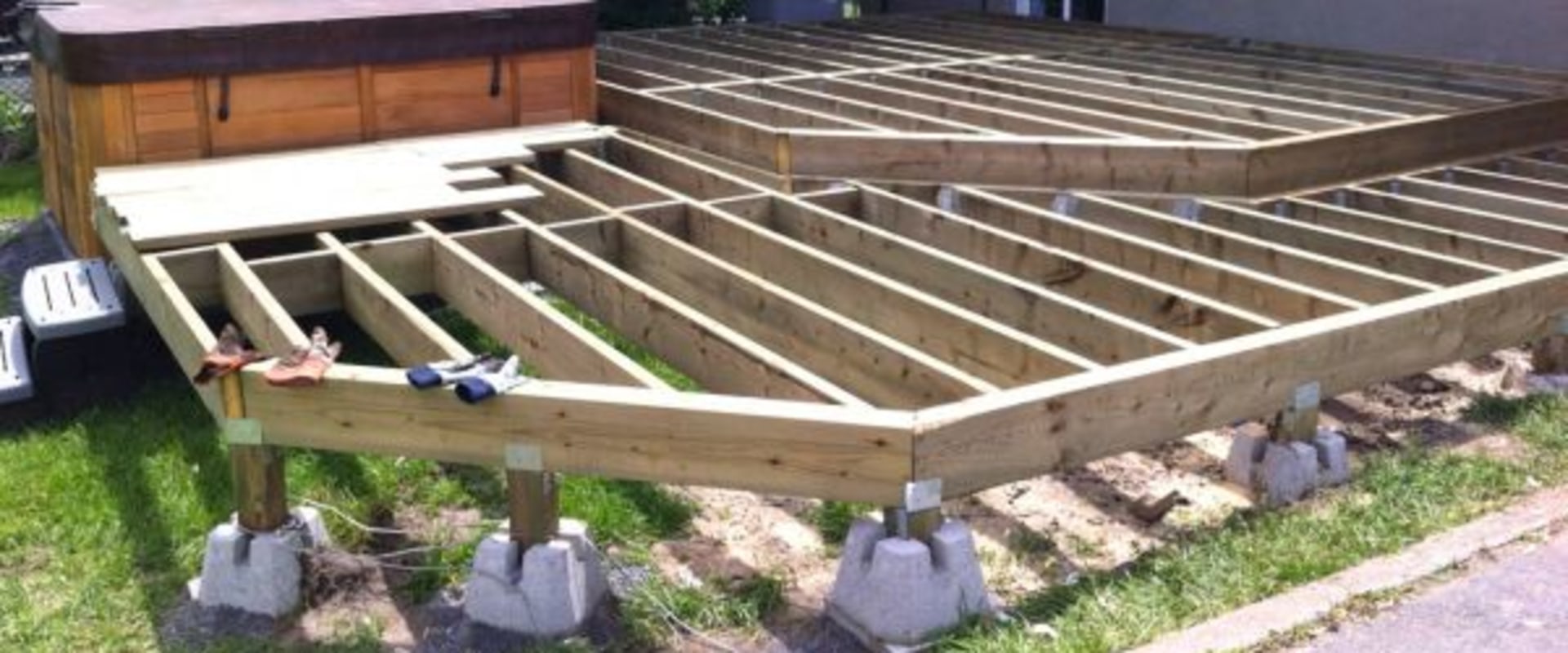
One of the most important aspects of multi-level deck construction is understanding how loads are distributed throughout the structure. Each deck level introduces additional forces that affect beams, joists, posts, footings, and connection hardware. Elevated sections may support different types of activities, while stairways and transitions create concentrated loading in specific areas. Structural planning ensures that these loads are transferred efficiently to the ground without placing excessive stress on individual components. Proper footing design is particularly important because inadequate support beneath posts can lead to settlement, shifting, or uneven deck surfaces over time. Soil conditions, drainage patterns, frost depth, and local building requirements must all be considered before construction begins. Careful planning helps ensure that the completed deck remains level, secure, and capable of withstanding years of daily use and changing weather conditions.
Coordinating Design With Structural Performance
Multi-level decks often include features such as pergolas, covered seating areas, built-in planters, outdoor kitchens, fireplaces, or heavy decorative elements that increase structural demands. These additions require careful coordination between architectural design and structural support so that every component functions safely as part of the overall system. During the planning process, designers and builders evaluate how each feature affects the framing layout, footing locations, drainage, and circulation between levels. Collaboration with professionals such as Open Concept - Archcitect helps ensure that creative design ideas are developed alongside practical construction considerations, resulting in outdoor spaces that are both visually appealing and structurally sound. This integrated approach minimizes construction challenges, reduces unnecessary modifications during the building process, and improves the long-term durability of the finished deck.
Investing in Safety and Long-Term Performance
Thoughtful structural planning provides benefits that extend well beyond the completion of the project. Properly engineered multi-level decks are better equipped to resist movement caused by heavy use, seasonal weather changes, moisture exposure, and natural wood expansion or contraction. They also require fewer repairs over time because the supporting framework has been designed to accommodate expected loads and environmental conditions from the beginning. Homeowners gain confidence knowing their outdoor living space is built to perform safely while enhancing the value and functionality of the property. Routine inspections and maintenance further protect the investment by identifying minor issues before they become significant structural concerns. Understanding the importance of structural planning for multi-level deck construction encourages homeowners to view outdoor projects as long-term investments rather than simple home improvements. By combining quality craftsmanship, durable materials, and careful structural design, multi-level decks become attractive, reliable extensions of the home that provide lasting enjoyment while maintaining the safety, stability, and overall integrity of the surrounding property for many years to come.