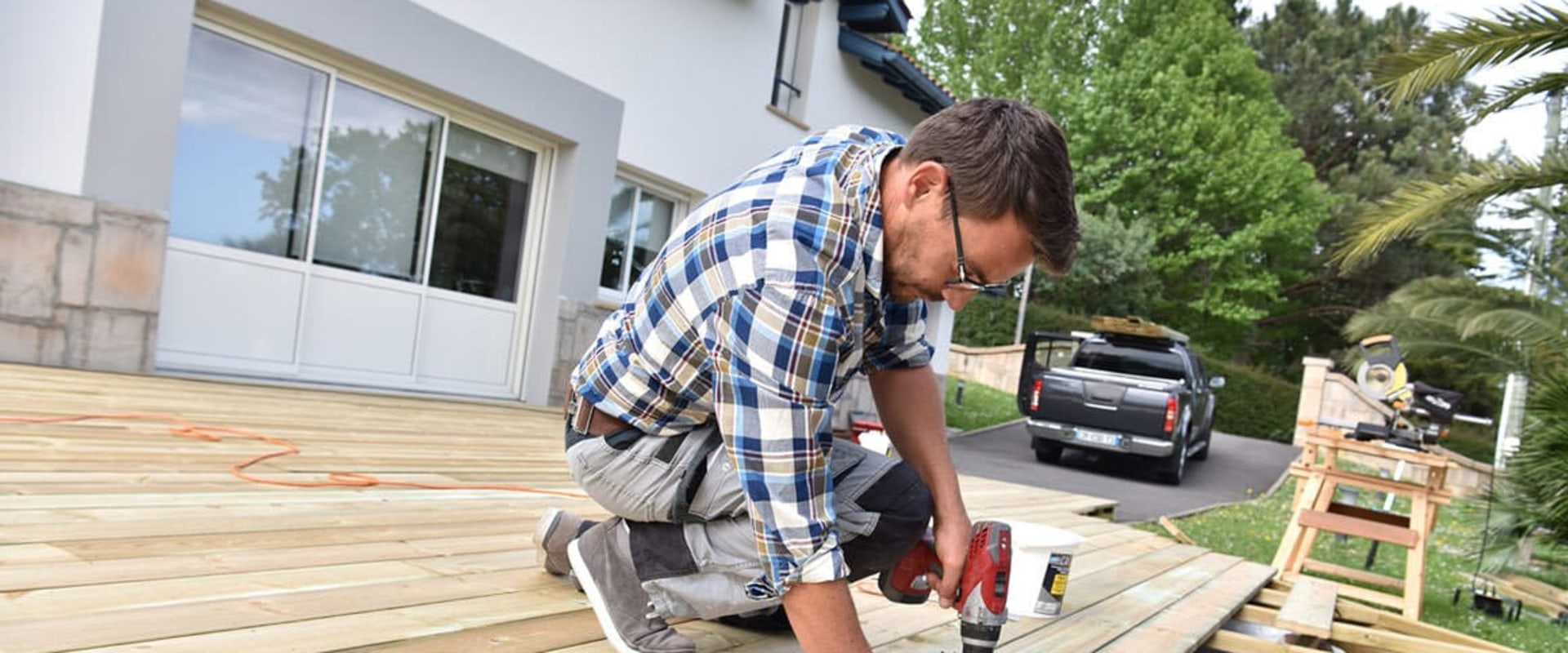
Deck construction is a popular home improvement project that adds functional outdoor living space and increases property value. However, building a deck is not just about aesthetics; safety must be a top priority from planning through completion. A properly constructed deck provides years of enjoyment, while poor construction can lead to serious hazards, including structural failure and personal injury. Understanding safety principles and adhering to building codes ensures that decks are not only attractive but also secure and reliable for everyday use.
Understanding Building Codes and Regulations
Building codes exist to protect homeowners and occupants by establishing minimum standards for construction. These codes address critical aspects such as load capacity, footing depth, railing height, and stair design. Local regulations may vary, so it is essential to consult municipal guidelines before starting a deck project. Permits and inspections help ensure that construction meets safety requirements at every stage. Ignoring building codes can result in costly fines, forced removal, or unsafe structures that put people at risk. Compliance from the start prevents these issues and ensures peace of mind.
Structural Components That Affect Safety
Several key components play a crucial role in deck safety. Footings must be installed at the proper depth to prevent shifting or settling over time. Support posts and beams need to be sized correctly to handle weight loads, including furniture and groups of people. Ledger boards, which attach the deck to the home, must be properly secured and flashed to prevent water damage and structural failure. Using quality fasteners and corrosion-resistant hardware further enhances durability and safety, especially in outdoor environments exposed to moisture.
Railing, Stairs, and Fall Prevention
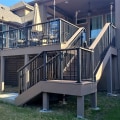
Falls are one of the most common deck-related hazards, making railings and stairs essential safety features. Building codes specify minimum railing heights and spacing between balusters to prevent accidents, particularly for children and pets. Stairs should be designed with consistent riser heights and tread depths to reduce the risk of trips. Handrails provide additional support and are often required by code. Proper lighting along stairs and walking surfaces also improves visibility and safety during evening use.
Material Selection and Environmental Considerations
Choosing the right materials contributes significantly to deck safety and longevity. Pressure-treated lumber, composite decking, and naturally rot-resistant woods are commonly used to withstand weather exposure. Slip-resistant surfaces help prevent accidents, especially in wet conditions. Builders must also consider drainage and ventilation to reduce moisture buildup, which can weaken structural components over time. During construction or repair, environmental factors such as rain or humidity may require temporary solutions, much like how an industrial dryer rental can be used to manage moisture in large-scale projects and maintain safe working conditions.
Inspections, Maintenance, and Long-Term Safety
Even a well-built deck requires regular inspection and maintenance to remain safe. Over time, wood can crack, fasteners can loosen, and supports may deteriorate. Periodic inspections help identify issues early, allowing for timely repairs before problems escalate. Homeowners should routinely check railings, stairs, and structural connections, especially after severe weather. Maintenance such as sealing wood, tightening hardware, and replacing damaged boards extends the life of the deck and preserves safety.
Building With Professional Expertise
While some homeowners choose a DIY approach, deck construction often benefits from professional expertise. Experienced builders understand code requirements, structural engineering principles, and best practices for safety. Hiring professionals reduces the risk of errors and ensures the deck meets all regulatory standards. Professional construction also streamlines permitting and inspections, saving time and stress.
Creating a Safe and Enjoyable Outdoor Space
Deck construction safety and building code essentials go hand in hand in creating outdoor spaces that are both functional and secure. By prioritizing proper planning, code compliance, quality materials, and ongoing maintenance, homeowners can enjoy their decks with confidence. A safe deck not only enhances daily living but also protects families and guests, making it a worthwhile investment built on strong foundations and informed decisions.