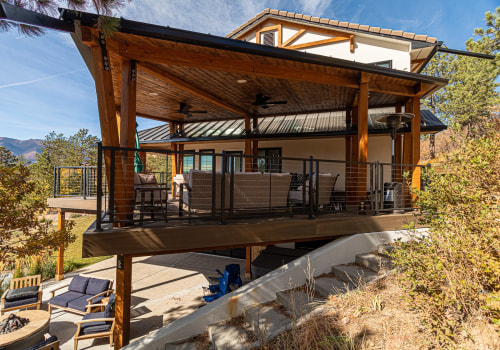
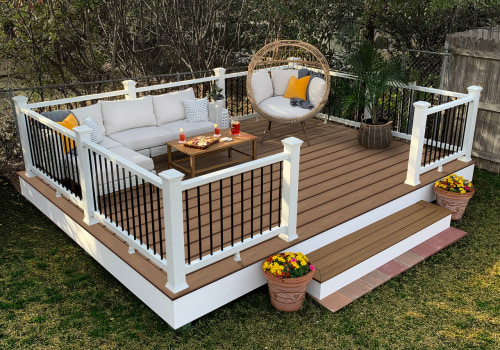
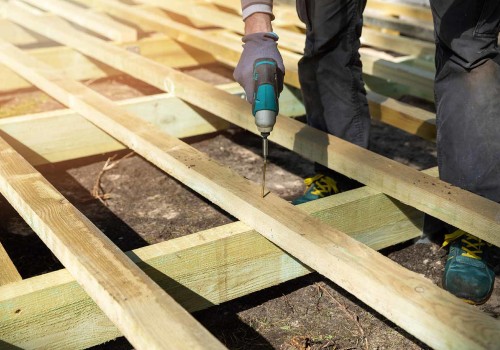
Weather is one of the most powerful forces influencing how a deck is built, how long it lasts, and how much maintenance it requires over time. Temperature swings, moisture exposure, and seasonal extremes all interact with construction materials in ways that homeowners often underestimate. During the planning phase, climate should shape decisions about wood species, fasteners, sealants, and structural design. Regions with heavy rainfall or humidity require materials that resist rot and warping, while colder climates demand attention to freeze-thaw durability. Even the timing of construction matters. Building during excessively wet seasons can trap moisture inside lumber, which later leads to twisting and structural instability as the wood dries. A properly designed deck accounts for drainage, ventilation, and expansion gaps so weather stress does not compromise safety. When builders respect the environmental conditions from the beginning, the deck becomes a resilient extension of the home rather than a constant repair project.
Moisture: The Silent Enemy of Deck Longevity
Water exposure is the single greatest threat to deck integrity. Rain, snow, and humidity seep into unprotected wood fibers, creating the perfect environment for rot, mold, and insect damage. Without proper sealing, repeated wet-dry cycles weaken the boards and loosen fasteners. Homeowners should treat moisture defense as an ongoing responsibility rather than a one-time task. Annual sealing and staining act as protective armor, slowing water absorption and UV damage. Cleaning debris between boards prevents water from pooling and accelerates drying after storms. Even nearby exterior systems influence deck health; ensuring proper drainage around the home and maintaining structural elements like garage door repair and installation in Versailles, KY contributes to better overall moisture control in exterior zones. When water is managed strategically, decks maintain their strength and appearance far longer than neglected surfaces exposed to the elements.
Temperature Swings and Material Stress
Extreme temperature changes create expansion and contraction cycles that place constant stress on deck materials. In hot weather, boards expand and soften slightly, while cold temperatures cause contraction and brittleness. Over time, these movements loosen screws, create surface cracks, and weaken joints. Composite materials handle temperature fluctuations differently than natural wood, but they still require proper spacing and installation techniques. Choosing weather-rated fasteners and flexible sealants reduces structural strain. Shade planning also plays a role; decks exposed to direct sunlight all day experience more rapid aging due to heat and UV radiation. Protective coatings with UV inhibitors slow color fading and surface breakdown. Seasonal inspections help homeowners catch early signs of stress before they turn into safety hazards. Small repairs—tightening hardware, replacing split boards, and refreshing sealants—extend the deck’s functional life significantly.
Seasonal Maintenance as Preventive Care
Deck maintenance should follow a predictable seasonal rhythm that aligns with local weather patterns. Spring is ideal for deep cleaning, resealing, and structural inspections after winter damage. Summer maintenance focuses on UV protection and routine sweeping to prevent surface abrasion. Fall preparation involves clearing leaves and debris to prevent moisture buildup, while winter requires minimizing snow accumulation and avoiding harsh de-icing chemicals that degrade finishes. Consistent maintenance is less expensive than large-scale restoration. Homeowners who treat their deck as an evolving outdoor structure rather than a static installation preserve both safety and aesthetics.
Building for Climate Means Building for the Future
Weather-aware deck construction and maintenance is ultimately about long-term thinking. Every climate presents predictable challenges, and successful decks are designed with those realities in mind. By combining smart material choices, protective finishes, and disciplined seasonal care, homeowners transform weather from a destructive force into a manageable variable. A deck that adapts to its environment remains stable, attractive, and functional year after year. Instead of reacting to damage, proactive weather planning ensures the deck continues to enhance outdoor living without becoming a financial burden. In the end, durability is not accidental—it is engineered through respect for the climate and maintained through consistent care.