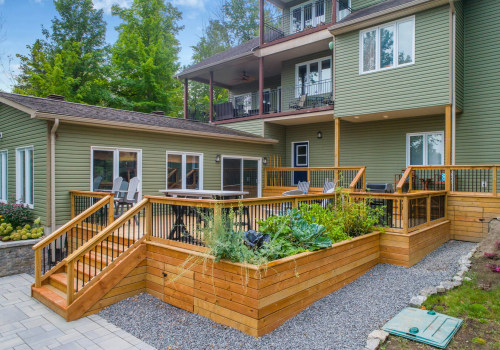
Planning deck construction around moving day requires careful coordination because both projects compete for space, time, and attention. A new deck can significantly enhance outdoor living and property value, but construction activity can interfere with loading trucks, foot traffic, and access points. Understanding how these timelines interact helps prevent delays, safety issues, and unnecessary stress. When planned thoughtfully, deck construction and moving can complement each other rather than collide.
Decide Whether to Build Before or After the Move
One of the first decisions homeowners must make is whether to complete deck construction before moving day or wait until after settling in. Building before the move can be beneficial if the deck improves curb appeal or resale value, especially for homes being sold. However, construction debris, equipment, and restricted access may complicate moving logistics. Waiting until after the move allows full focus on construction and avoids interference, but it may delay enjoying the outdoor space. Evaluating priorities, timelines, and property access helps determine the best approach.
Coordinate Access and Work Zones
Deck construction often requires clear access to the backyard, side yards, or exterior walls—areas that movers may also need to use. Planning designated work zones prevents overlap between contractors and movers. If construction is underway close to moving day, ensure that materials are stacked safely away from walkways and driveways. Clear communication between all parties reduces the risk of accidents and keeps both projects moving forward efficiently.
Account for Permits, Inspections, and Delays
Deck construction frequently involves permits and inspections, which can introduce unpredictable delays. Weather conditions, material availability, and inspection schedules may shift timelines unexpectedly. When planning around a move, it’s important to build buffer time into the construction schedule. Starting the permitting process early and confirming inspection windows helps avoid last-minute conflicts that could disrupt moving day plans.
Protect New Construction During the Move
If the deck is completed shortly before moving day, protecting the new structure becomes essential. Heavy foot traffic, dropped items, or furniture staging can damage fresh wood, railings, or finishes. Using temporary coverings, limiting access, and clearly marking no-step areas helps preserve the deck’s condition. Movers should be informed about newly built areas so they can take extra care when navigating the property.
Consider Storage and Staging Needs
Deck construction can reduce usable space around the home, making it harder to stage furniture or organize boxes during a move. Temporary storage solutions may be helpful if construction overlaps with packing or loading. Planning ahead for where items will be staged keeps both projects organized. Some homeowners researching logistics and service availability may even be prompted to click for coverage area while coordinating contractors and movers across locations.
Align Construction Completion With Lifestyle Needs
Beyond logistics, lifestyle considerations matter when planning deck construction around a move. Completing the deck before moving in allows homeowners to enjoy the space immediately and host gatherings sooner. On the other hand, living in the home first can provide insight into how the deck will actually be used, informing design adjustments or add-ons. Balancing immediate enjoyment with long-term functionality leads to better outcomes.
Communicate Clearly With All Contractors
Clear communication is the backbone of successful coordination. Contractors should know your moving date, and movers should be aware of any ongoing or recent construction. Sharing schedules, access points, and expectations reduces misunderstandings and keeps everyone aligned. Written timelines and checklists can be especially helpful when managing multiple moving parts at once.
Creating a Smooth Transition From Construction to Comfort
Planning deck construction around moving day doesn’t have to be overwhelming. With early decision-making, realistic scheduling, and clear communication, homeowners can avoid conflicts and protect their investment. Whether the deck is finished before the move or built afterward, thoughtful planning ensures that both projects support a smooth transition. The result is a new home that’s not only settled efficiently but ready to be enjoyed—indoors and out.