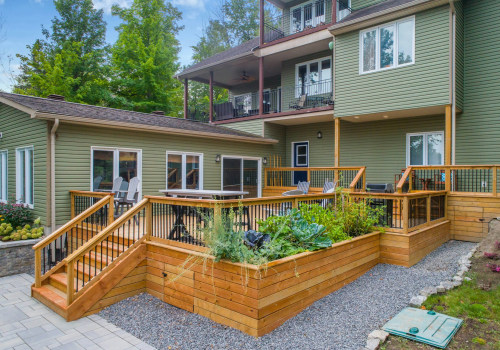
When comparing wood and composite decks from a construction perspective, the differences begin at the material level and extend through installation, longevity, and structural behavior. Traditional wood decks, commonly built from pressure-treated lumber, cedar, or redwood, offer a natural aesthetic and familiarity that many homeowners still prefer. Wood is generally easier to cut, shape, and modify on-site, which can make custom designs more flexible during construction. However, wood is also more vulnerable to moisture, insects, and temperature fluctuations, meaning the framing, fasteners, and spacing must be carefully planned to reduce warping and rot. Composite decking, on the other hand, is manufactured from a blend of recycled plastics and wood fibers, producing boards that are uniform in size, density, and performance. This consistency allows for highly precise installation systems, often using hidden fasteners that create a sleek, uninterrupted surface. While composite materials usually cost more upfront, they are engineered for durability, fade resistance, and reduced long-term maintenance, changing the overall value equation from the very beginning of the build.
Long-Term Durability and Structural Performance
Over time, the performance gap between wood and composite decks becomes more noticeable. Wood expands and contracts with changing weather conditions, which can lead to cracking, splitting, and loosening of fasteners if not properly maintained. Even the best-treated lumber will eventually show signs of aging, especially in humid or coastal environments. Composite decking is designed to resist these environmental stresses more effectively, maintaining its shape and surface integrity with far less fluctuation. It is also highly resistant to insects, mold, and mildew when compared to natural wood. Structurally, both deck types can be equally sound when built correctly, but composite decks retain their appearance and surface strength far longer without the need for frequent refinishing. This makes composite a popular option for homeowners and commercial property managers looking to minimize downtime and long-term repair costs.
Cleaning and Maintenance Requirements Compared
The difference in cleaning requirements between wood and composite decks is just as significant as the difference in construction. Wood decks require routine sweeping, seasonal washing, and regular sealing or staining to protect against moisture intrusion and UV damage. Without proper cleaning, dirt can become embedded in the grain, algae can form in shaded areas, and surface deterioration can accelerate. Power washing must be done carefully to avoid splintering or gouging the boards. Composite decks are far more forgiving, typically requiring only occasional washing with mild detergent and water to remove dirt, pollen, and surface stains. They do not absorb moisture in the same way wood does, which greatly reduces the risk of rot and deep staining. That said, composite decks can still accumulate grime, especially in high-traffic or shaded areas, so regular professional cleaning helps preserve both appearance and safety.
Choosing the Right Deck and Cleaning Strategy
Ultimately, choosing between wood and composite decking comes down to balancing upfront cost, long-term maintenance, appearance preferences, and environmental conditions. Wood decks offer classic beauty and lower initial investment but demand consistent care and protection to remain structurally sound and visually appealing. Composite decks provide modern durability and low maintenance but require a higher initial budget. From a cleaning standpoint, both materials benefit from professional attention to remove buildup that routine washing may miss and to protect the surface from premature wear. Property owners who rely on trusted professionals such as Freedom Cleaning Orlando can expect tailored cleaning methods that match the specific needs of each deck type, whether it involves gentle wood restoration or specialized composite surface care. When construction quality and proper cleaning practices work together, both wood and composite decks can deliver long-lasting performance, safety, and visual appeal.