One of the most common mistakes in deck construction begins long before any materials are purchased—poor planning. Homeowners and builders sometimes rush into building a deck without fully considering layout, size, or how the space will be used. A deck that is too small can feel cramped, while one that is too large may overwhelm the yard and increase costs unnecessarily. Another oversight is failing to account for sun exposure, traffic flow, and accessibility from the home. Taking the time to create a detailed plan ensures that the deck complements the property and meets functional needs. Proper planning also helps identify potential obstacles early, preventing costly changes during construction.
Ignoring Proper Foundation and Support
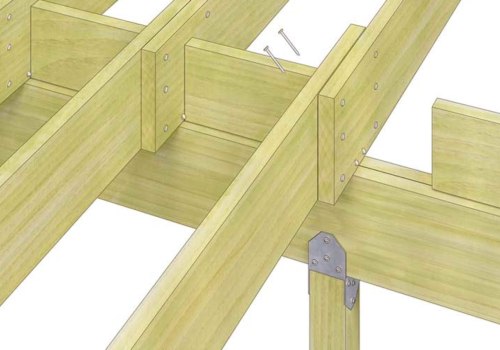
A strong foundation is essential for any deck, yet it is often overlooked or improperly executed. Skipping steps like securing footings below the frost line or using inadequate materials can lead to structural instability over time. Decks that lack proper support may sag, shift, or even become unsafe. It’s important to use high-quality materials and follow local building codes to ensure durability. Proper anchoring and spacing of posts and beams are critical for maintaining the integrity of the structure. Investing in a solid foundation from the start can prevent expensive repairs and ensure the deck remains safe for years to come.
Overlooking Drainage and Water Management
Water management is another area where many deck construction projects fall short. Without proper drainage, water can accumulate around the deck’s base, leading to wood rot, mold growth, and soil erosion. Builders should always consider how water will flow around and beneath the deck, incorporating features like slopes, drainage systems, or gravel bases to direct water away. In some cases, addressing issues such as clogged outdoor drains with services like exterior drain cleaning in Houston can be an important step before construction begins. Proper drainage not only protects the deck but also preserves the surrounding landscape and foundation.
Using Incorrect Materials or Fasteners
Choosing the wrong materials or fasteners can significantly impact the longevity and safety of a deck. Not all wood types or composite materials are suited for outdoor use, and using substandard options can result in premature wear and deterioration. Similarly, using incorrect nails, screws, or connectors can compromise the deck’s stability. It’s essential to select materials that are designed to withstand weather conditions and to use corrosion-resistant fasteners that will hold up over time. Paying attention to these details ensures that the deck remains strong and visually appealing.
Neglecting Safety Features and Code Compliance
Safety should always be a top priority in deck construction, yet it is sometimes neglected. Missing or improperly installed railings, uneven steps, and inadequate lighting can create hazards for users. Additionally, failing to follow local building codes can result in fines, failed inspections, or the need for costly modifications. Ensuring that the deck meets all safety requirements not only protects users but also adds value to the property. Proper spacing of railings, secure stair construction, and adequate lighting all contribute to a safer and more functional outdoor space.
Skipping Regular Maintenance Planning
Finally, many homeowners overlook the importance of ongoing maintenance when building a deck. Even the best-constructed deck requires regular care to maintain its appearance and structural integrity. Without proper sealing, cleaning, and inspections, materials can deteriorate over time. Planning for maintenance from the beginning—such as choosing low-maintenance materials or applying protective coatings—can extend the life of the deck and reduce long-term costs. By avoiding these common mistakes, homeowners can create a durable, safe, and attractive deck that enhances their outdoor living space for years to come.