Building a deck on a property that has previously undergone foundation repair requires careful planning. Even when the home has been stabilized, contractors should understand what repairs were completed and where they are located before excavation or structural work begins. Foundation repair may involve piers, supports, drainage improvements, or other systems that extend beyond the visible footprint of the house. Knowing where these components are located can help prevent accidental damage during deck construction and allow the new structure to be designed around existing repairs.
Keep Deck Footings Independent When Appropriate
One important consideration is how the deck will be supported. In many situations, deck posts and footings should have their own properly designed foundation rather than relying on repaired portions of the home's foundation for support. Independent footings can help distribute the deck's weight into suitable soil and reduce unnecessary stress on the house. Before construction begins, homeowners may benefit from reviewing previous repair records or consulting professionals such as Bats Foundation Repair to better understand the condition of the foundation and any areas that should remain undisturbed.
Pay Attention to Soil Conditions
Soil movement is often a factor in foundation problems, so it should also be considered when planning a new deck. Expansive soils can swell when wet and shrink during dry conditions, potentially affecting deck posts and footings over time. Contractors should evaluate soil conditions and install supports at appropriate depths according to local requirements and engineering recommendations. Proper footing design can help reduce uneven settlement and keep the deck more stable as environmental conditions change.
Maintain Proper Drainage Around the Home
Deck construction should never interfere with drainage improvements that were installed as part of previous foundation work. Water should continue flowing away from the house rather than collecting near the foundation or beneath the deck. Poorly positioned footings, landscaping, or deck framing can sometimes redirect runoff toward vulnerable areas. Gutters, downspouts, grading, and drainage systems should be reviewed before construction so that the new deck supports rather than disrupts existing water-management strategies.
Avoid Damaging Existing Repair Components
Excavation for deck footings should be performed carefully, especially near the home. Foundation repair systems may include piers or other structural components below ground that are not visible from the surface. Contractors should identify these locations before digging. Utility lines should also be marked, and any available foundation repair documentation should be reviewed. Preventing accidental contact with repaired areas can help preserve the structural improvements already made to the property.
Plan the Deck Connection Carefully
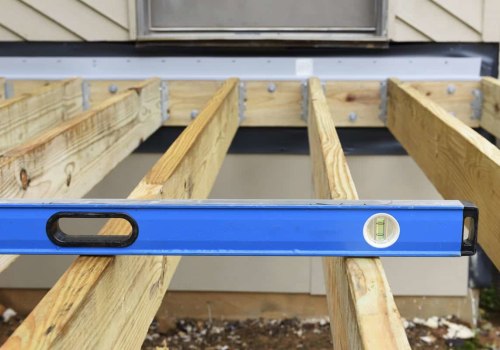
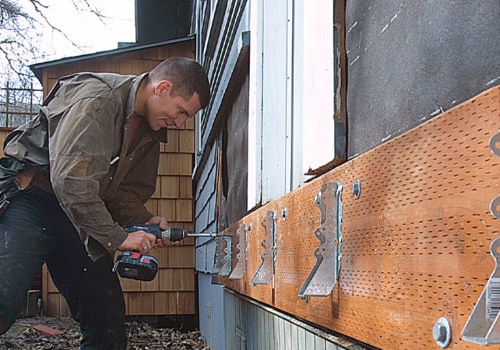
If the deck is attached to the house, the connection between the ledger board and the structure requires particular attention. The attachment must be secure while also accounting for waterproofing, flashing, and the condition of the surrounding framing. In some cases, a freestanding deck may be considered when attaching directly to the home could complicate existing structural conditions. The most appropriate design will depend on the property and local building requirements.
Monitor the Property After Construction
Once the deck is complete, homeowners should continue watching for changes such as uneven decking, shifting posts, gaps near the house, or drainage problems. These signs do not automatically indicate foundation trouble, but they may justify further inspection if they become significant.
Build With Long-Term Stability in Mind
A property with previous foundation repair can still accommodate a functional and attractive deck, but construction should respect the work that has already been completed. By reviewing repair history, planning independent supports, protecting drainage systems, and carefully positioning footings, homeowners can reduce the risk of interfering with the foundation. Thoughtful coordination between deck contractors, structural professionals, and foundation specialists can help create an outdoor living space that remains stable and complements the home for years to come.