When homeowners plan outdoor improvements, deck construction is often viewed as a standalone project intended to provide additional seating, entertainment space, or a place to enjoy the outdoors. However, a well-designed deck can have a far-reaching impact on the functionality of surrounding outdoor areas. Rather than serving as an isolated structure, a deck often acts as a transitional space that connects different sections of a property. Its size, placement, elevation, and design can influence how people move through the yard, how adjacent features are utilized, and how effectively the outdoor environment supports daily activities. Understanding these connections can help homeowners maximize both the usability and overall value of their property.
Improving Traffic Flow and Accessibility
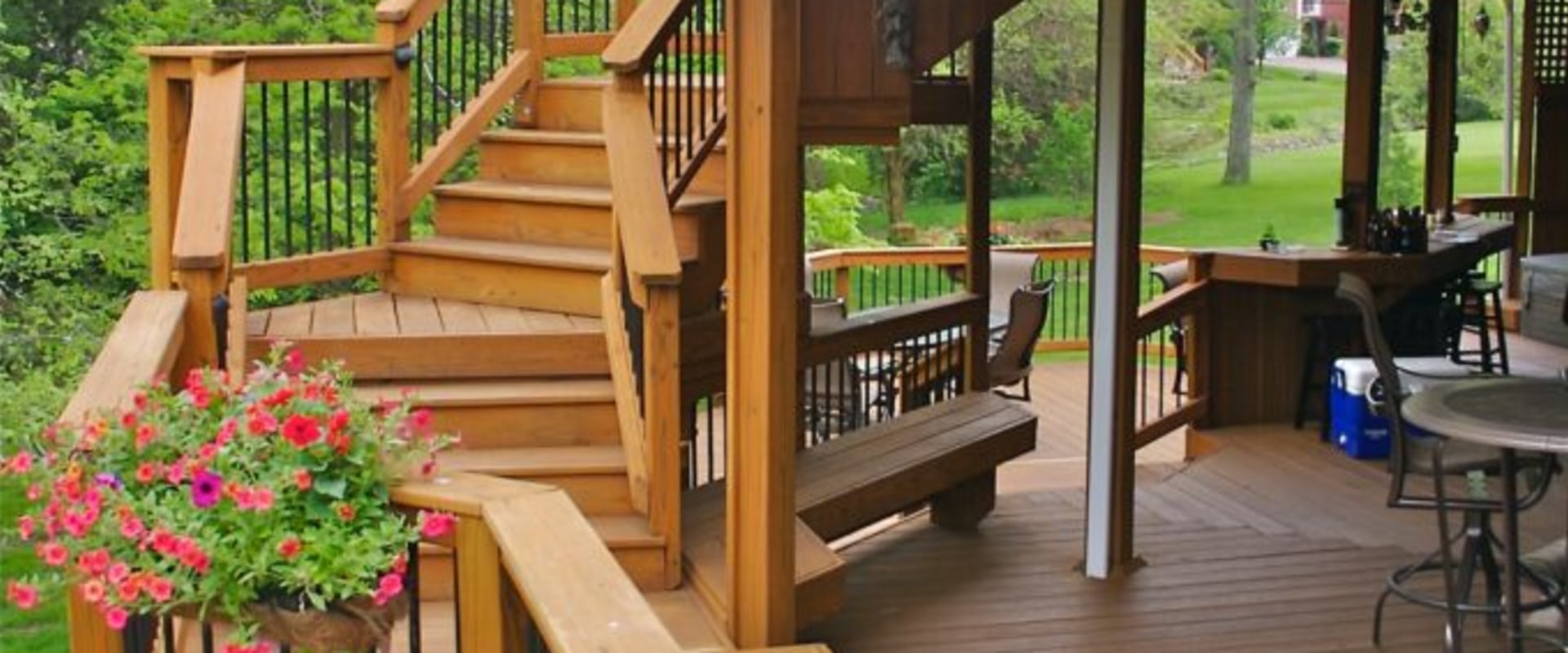
One of the most important ways deck construction affects adjacent outdoor spaces is through improved traffic flow. A thoughtfully positioned deck can create natural pathways between indoor living areas and outdoor amenities such as patios, gardens, pools, fire pits, and recreational zones. Instead of forcing guests and family members to navigate uneven terrain or disconnected spaces, a deck can provide a centralized hub that encourages seamless movement throughout the property. This improved accessibility becomes particularly valuable when hosting gatherings or accommodating multiple activities simultaneously. The deck effectively serves as a bridge between functional areas, helping homeowners create a more organized and user-friendly outdoor layout.
Supporting Outdoor Entertainment and Recreation
Deck construction also influences how neighboring outdoor spaces are used for entertainment and recreation. For example, a deck positioned near a lawn can serve as a viewing area for children's activities, while a deck adjacent to a pool can provide convenient seating and relaxation zones. The design of the deck may encourage homeowners to add complementary features such as outdoor kitchens, pergolas, dining areas, or lounge spaces. As these elements are incorporated, the entire outdoor environment becomes more cohesive and versatile. A deck can transform previously underutilized portions of a yard into active gathering areas that support a wider range of social and recreational functions throughout the year.
Enhancing Property Organization and Functionality
The strategic placement of a deck can help define specific zones within an outdoor space, improving organization and functionality. Large yards often benefit from designated areas for dining, gardening, relaxation, storage, and recreation. A deck can serve as a visual anchor that establishes clear boundaries between these activities while maintaining an open and inviting atmosphere. Similar to how homeowners evaluate exterior components such as fencing, driveways, and garage access systems maintained by companies like Gecko Garage Doors, deck construction should be considered part of a larger property planning strategy. When integrated thoughtfully, a deck can improve how neighboring structures and outdoor features interact with one another.
Influencing Landscaping and Environmental Conditions
Deck construction can also affect landscaping decisions and environmental conditions surrounding the property. Elevated decks may create shaded areas that support different types of plants, while deck placement can influence drainage patterns, sun exposure, and wind flow. Homeowners often discover that landscaping improvements become more effective when coordinated with deck design. Proper integration of greenery, lighting, and hardscaping elements can enhance both aesthetics and functionality. These improvements contribute to a more comfortable outdoor environment while helping homeowners make better use of available space.
Creating a More Connected Outdoor Experience
Ultimately, deck construction is about more than adding square footage to a backyard. It has the potential to reshape how adjacent outdoor spaces function and interact with one another. By improving accessibility, supporting entertainment, defining activity zones, and complementing landscaping efforts, a well-designed deck can enhance the overall usability of a property. Homeowners who consider the broader impact of deck placement and design are often able to create outdoor environments that feel more connected, efficient, and enjoyable for everyday living and special occasions alike.